Department of Pathology

.jpg)
Message from the HOD
Introduction
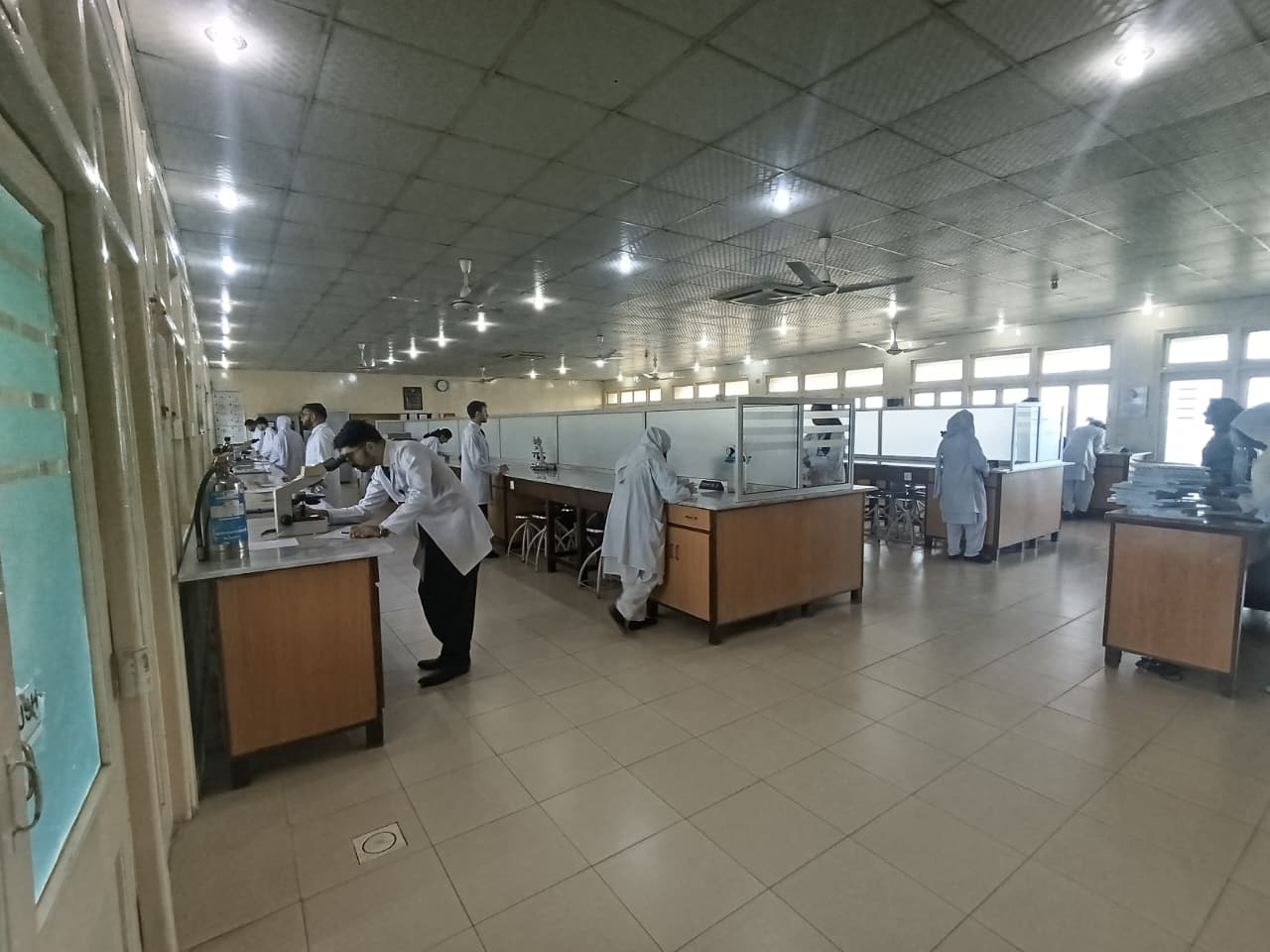
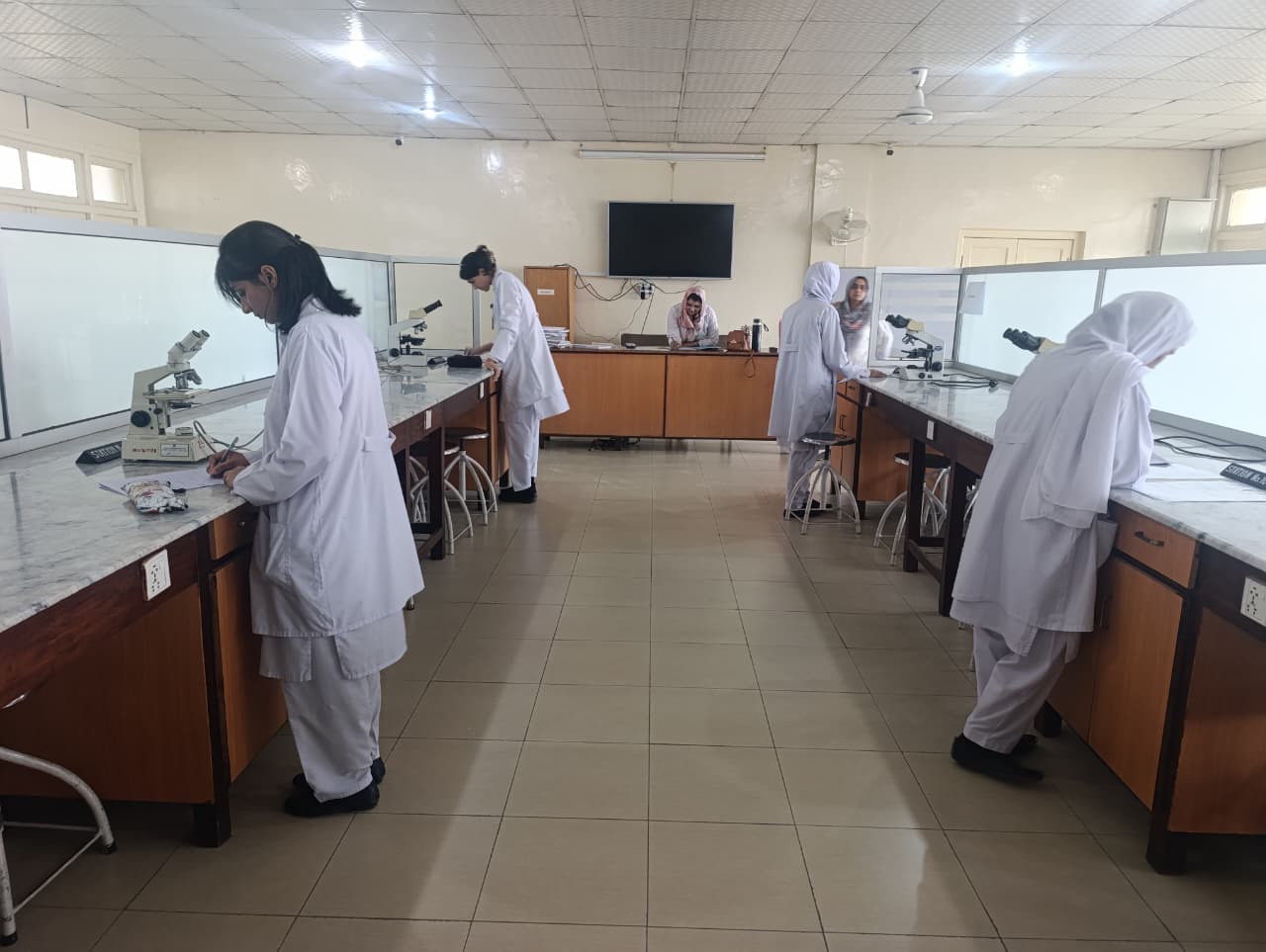
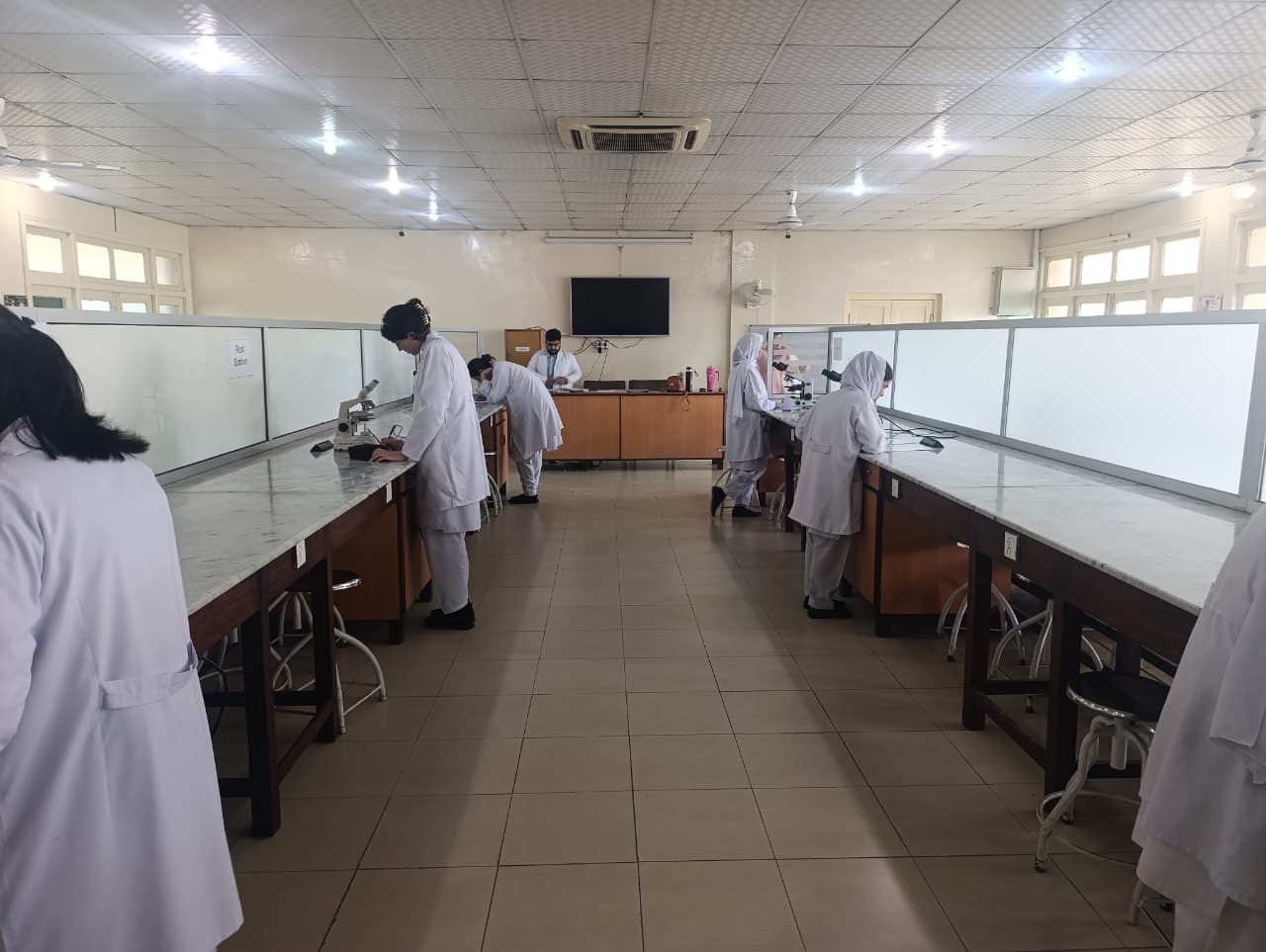
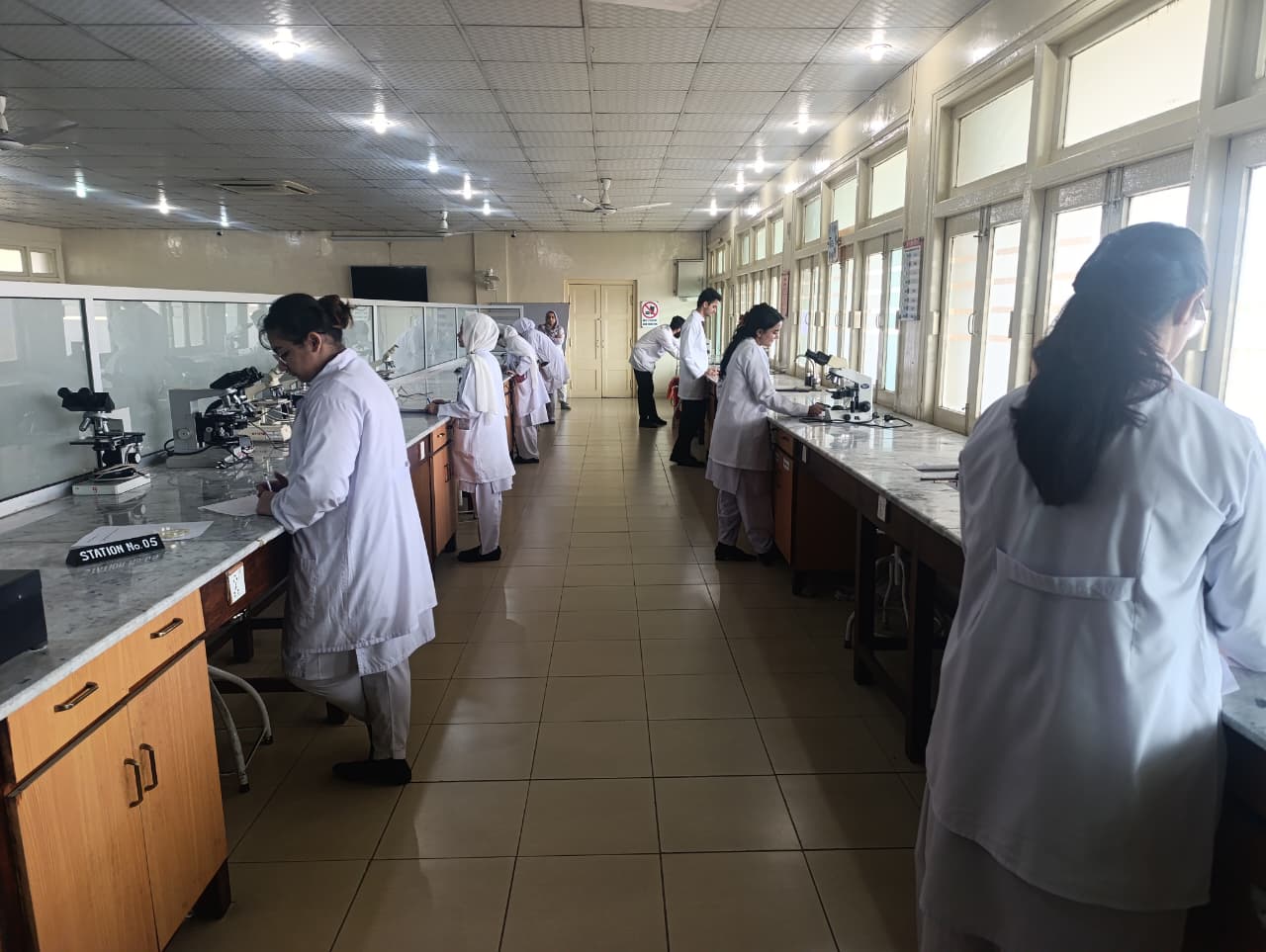
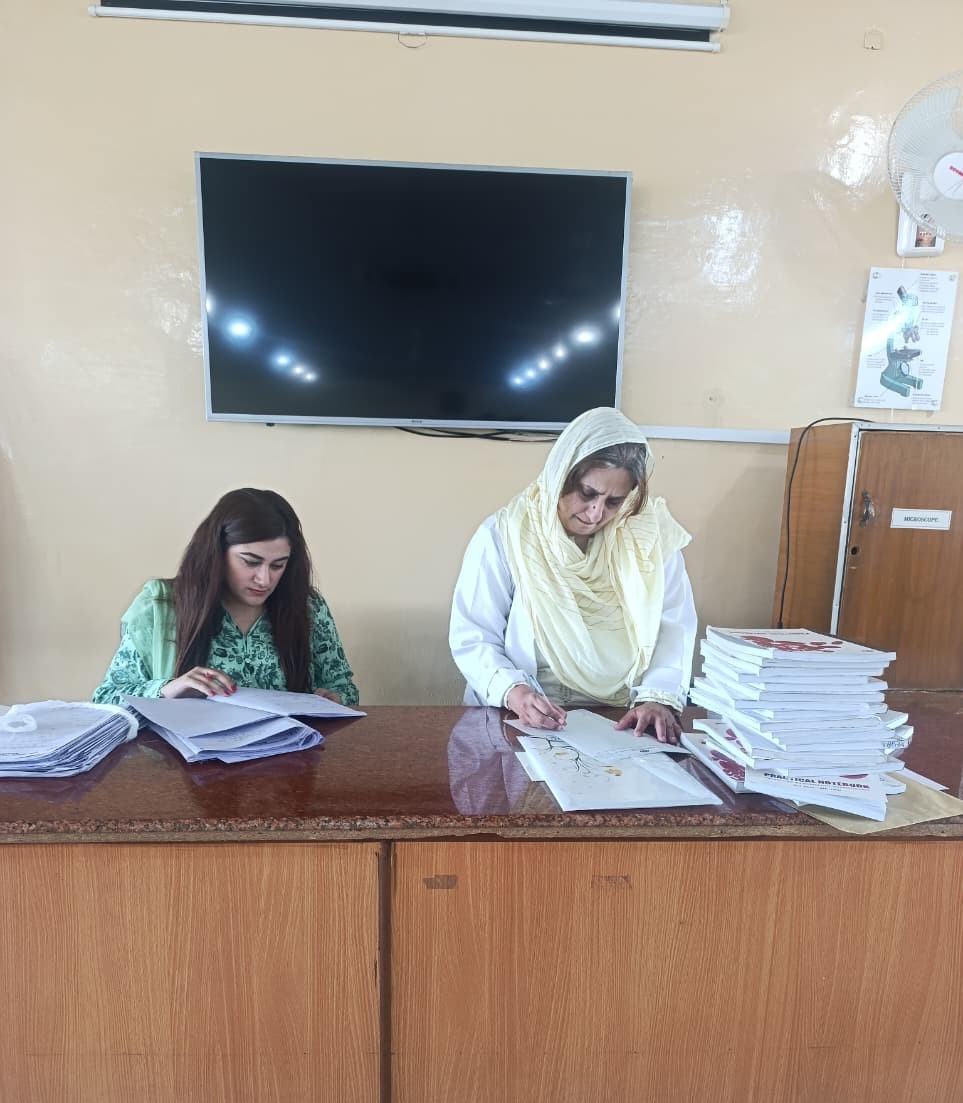
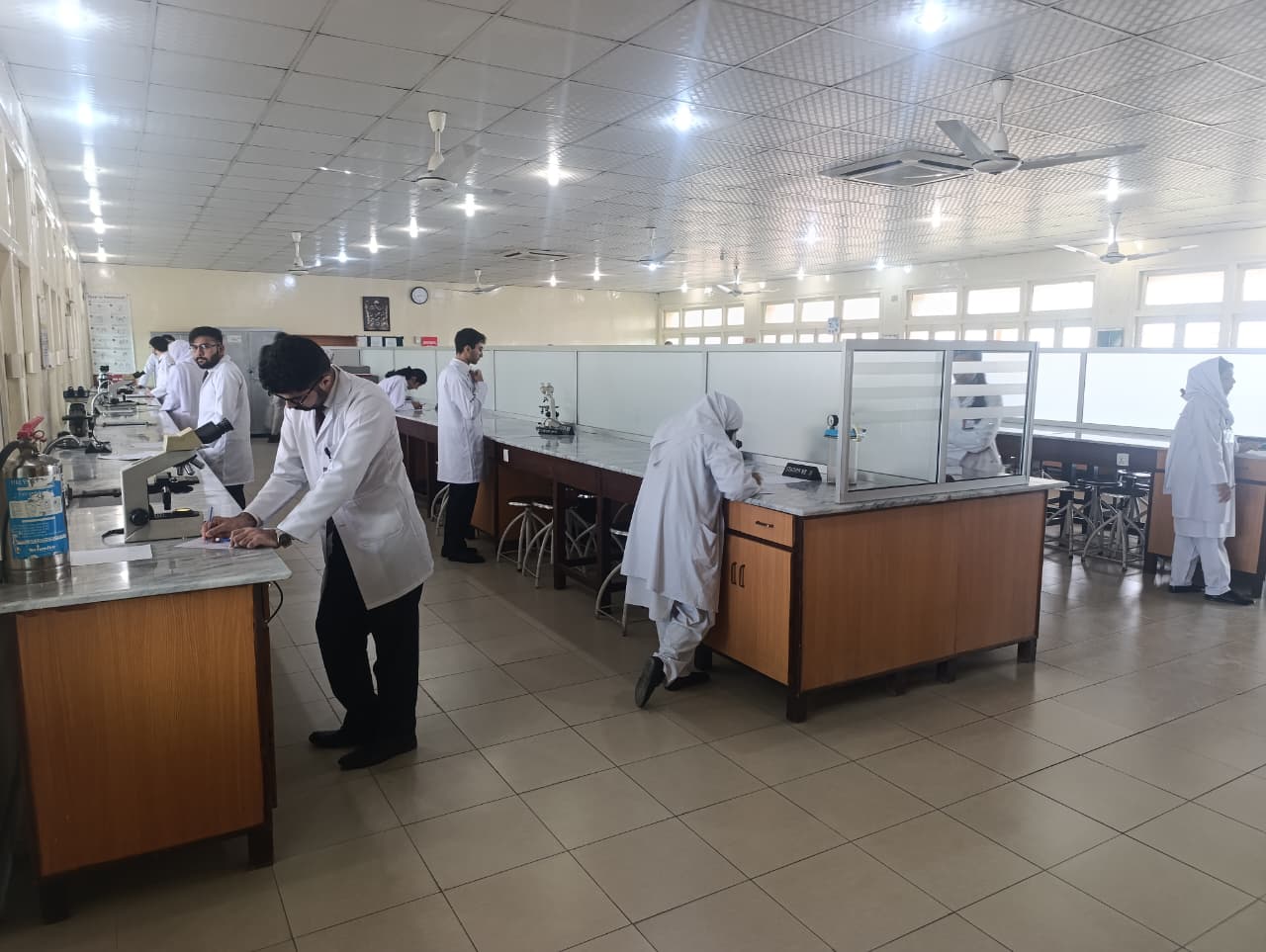
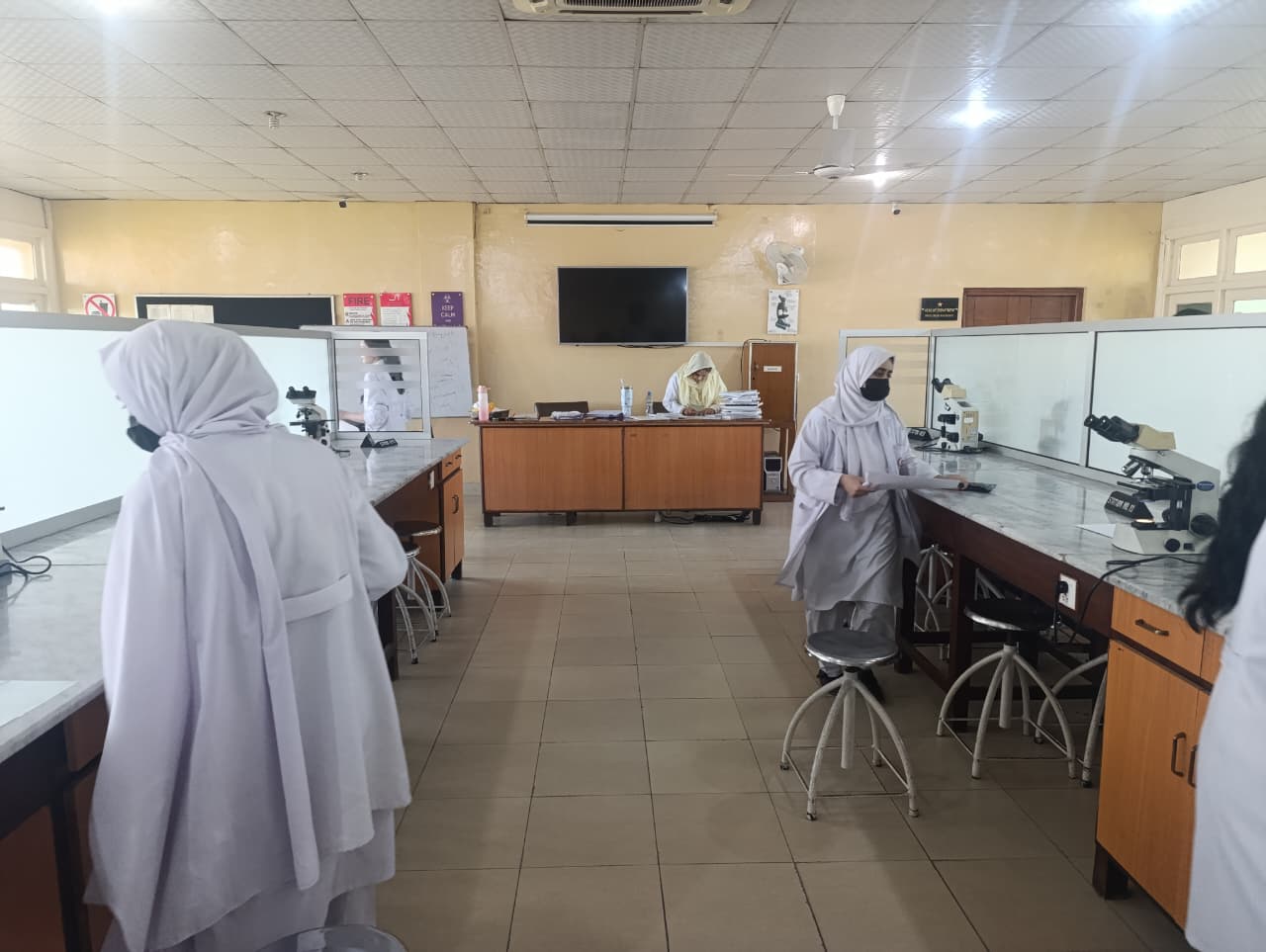
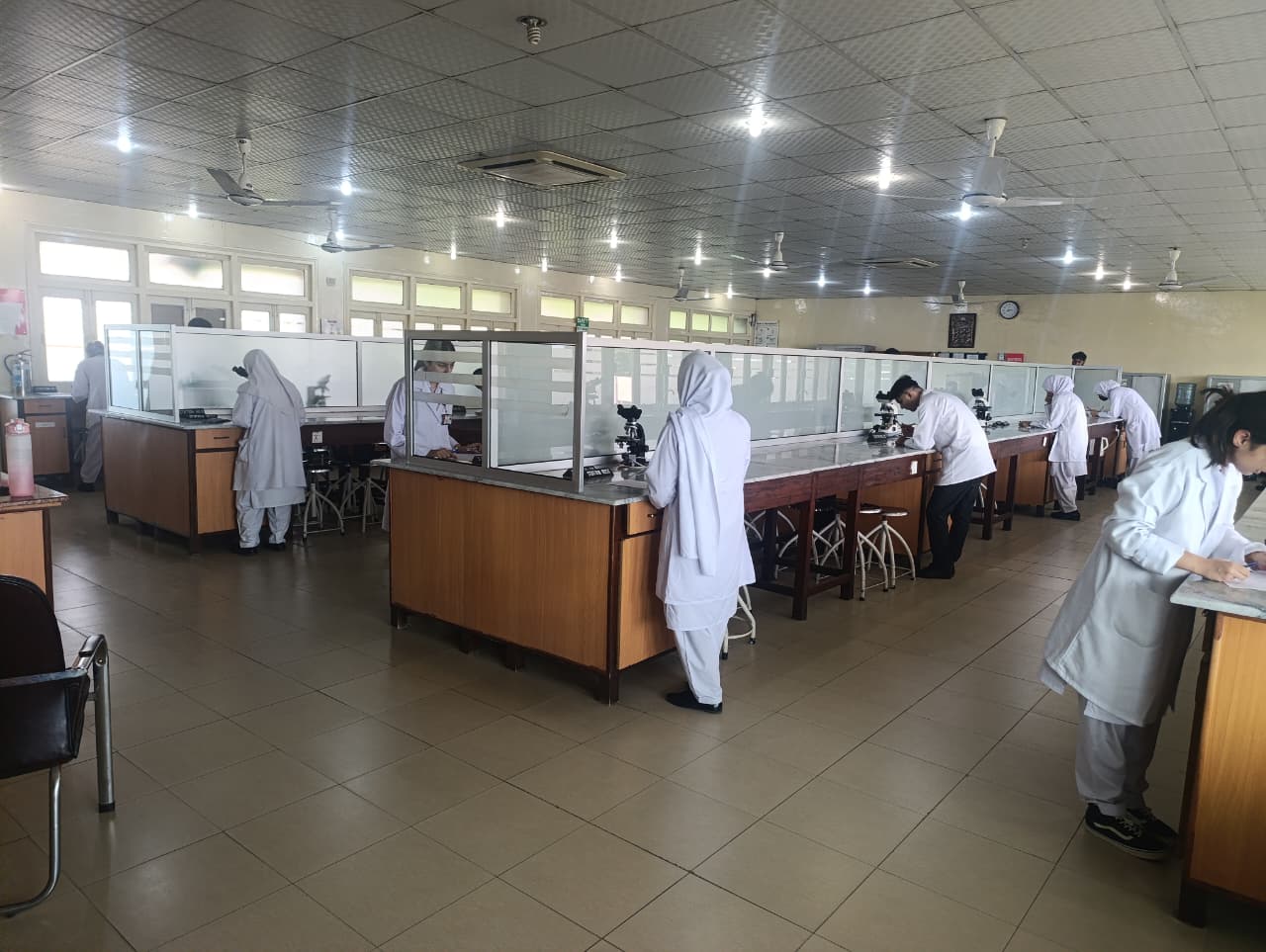
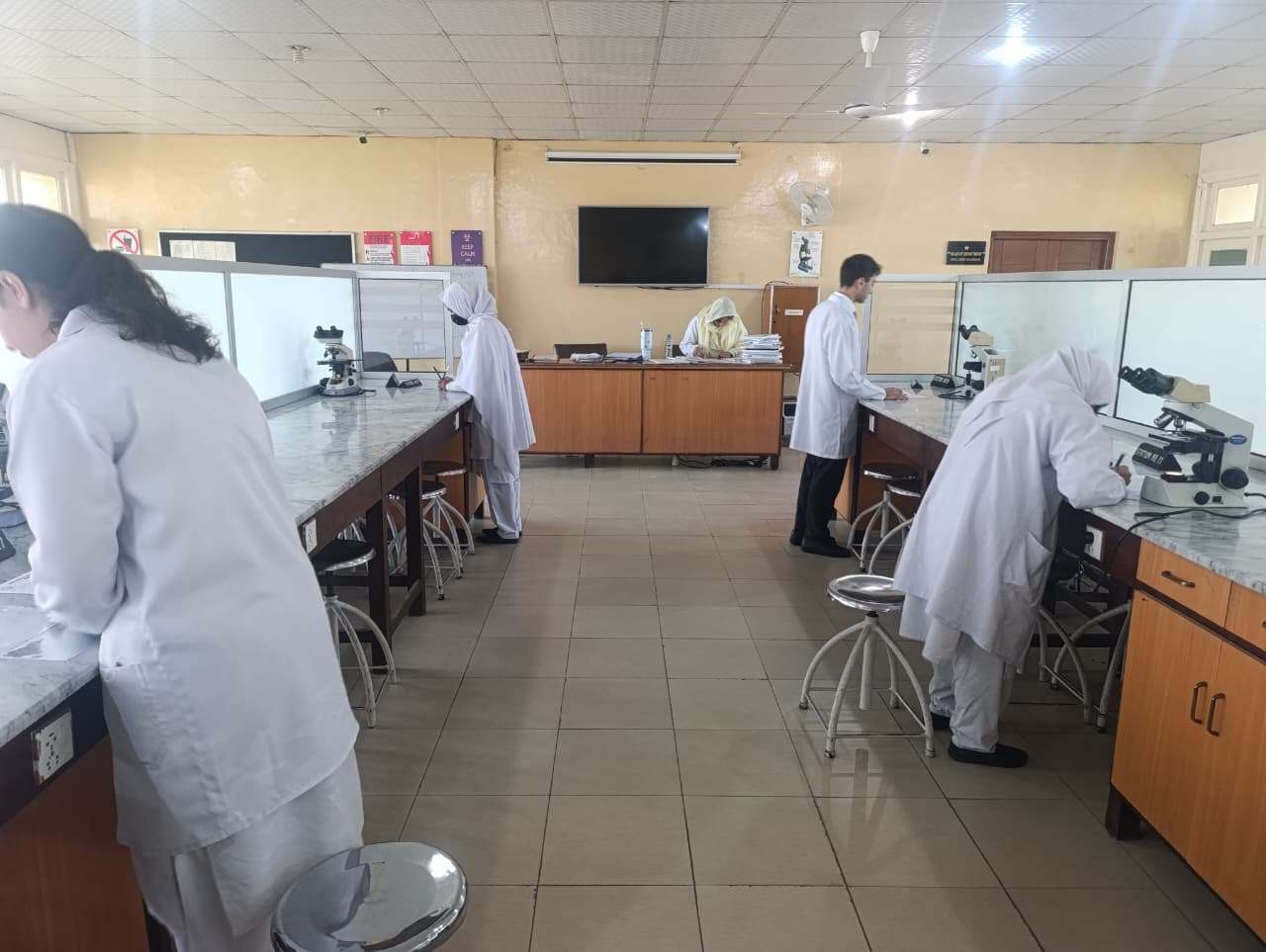
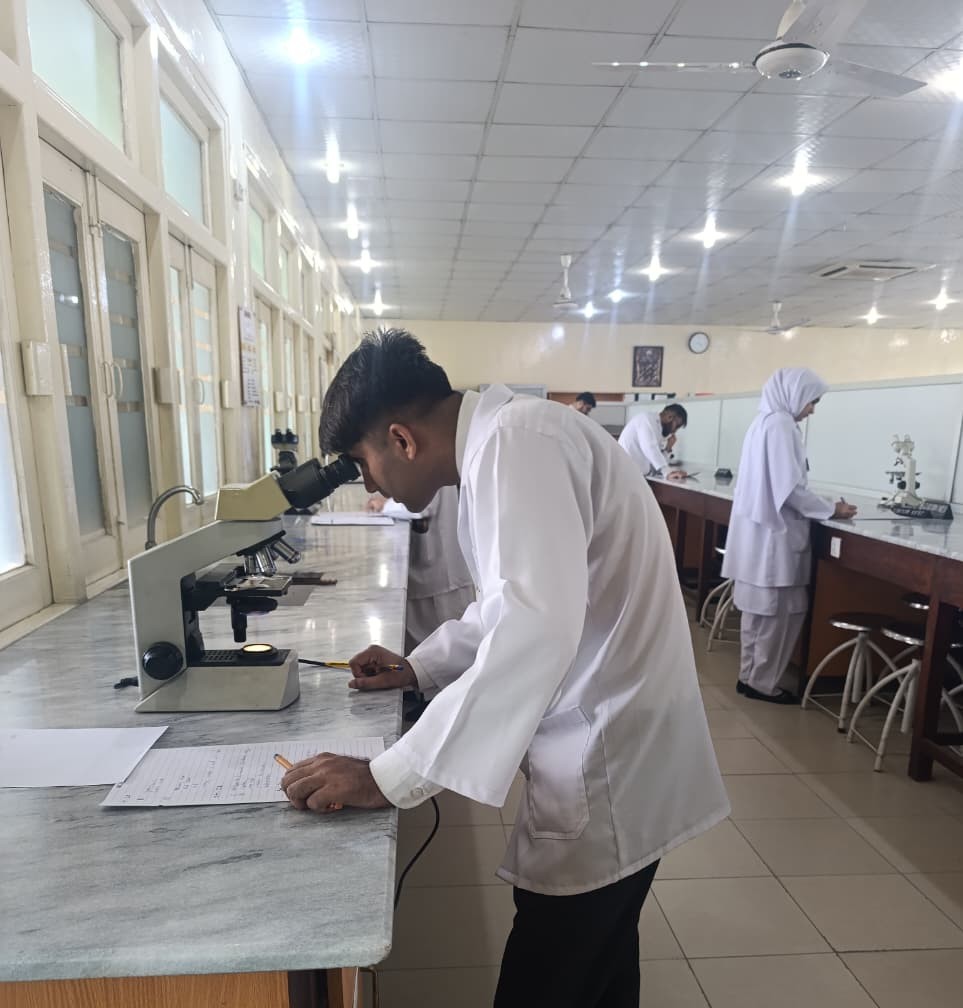
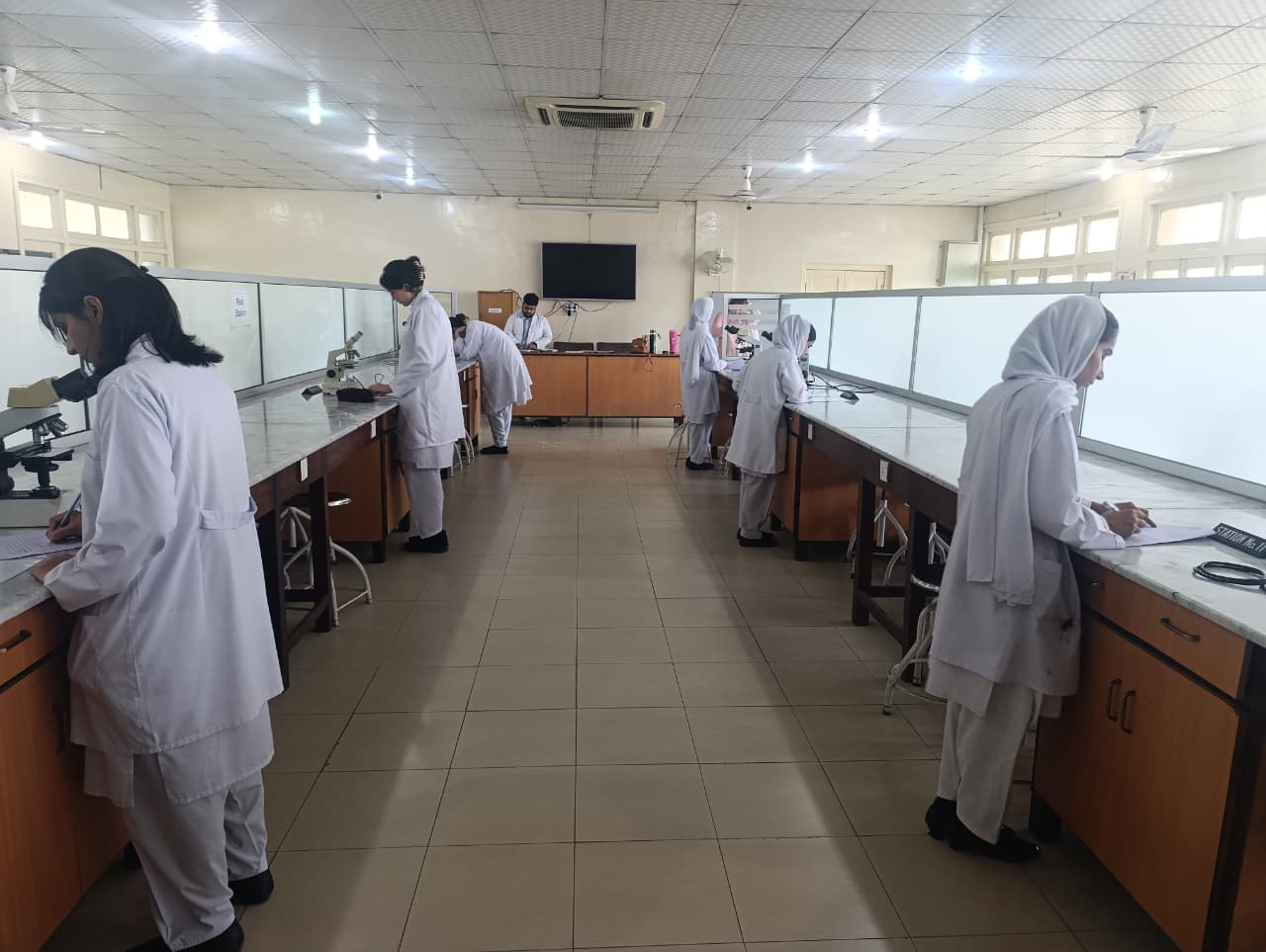
The Department of Pathology at our medical college serves as a vital bridge between basic medical education and clinical practice. The department is composed of two integral sections: The Teaching Laboratory, located within the college, and the Hospital-based Diagnostic Laboratory. The Teaching Laboratory provides students with hands-on learning through displayed specimens, demonstrations, and practical sessions that build a strong foundation in disease mechanisms. Complementing this, the Diagnostic Laboratory caters to a high patient turnover from our tertiary care hospital, where real patient samples are processed daily. This dual structure allows students not only to learn in an academic setting but also to observe and engage with the practical applications of pathology in patient care.
Our faculty of dedicated pathologists including Haematologist, Chemical Pathologist, Microbiologist, & Histopathologist contribute actively to both undergraduate teaching and diagnostic services, ensuring that learning remains closely tied to real-world practice. Keeping pace with global trends, the department is progressively integrating advances in molecular pathology, personalized medicine, and prenatal diagnostics, preparing students for the evolving future of healthcare.
Outline of the Course
The Department of Pathology offers an integrated and progressive curriculum spanning MBBS (1st–4th year) and BDS programs. The course emphasizes understanding disease mechanisms, focusing on pathogenesis and the principles of diagnosis, enabling students to correlate clinical findings with laboratory evidence.
In the early years (1st and 2nd year MBBS), students are introduced to the foundations of general and systemic pathology, supported by practical exposure in the teaching laboratory. The clinical years (3rd and 4th year MBBS) build upon this base, with greater emphasis on applied pathology, diagnostic reasoning, and case-based learning that directly relates to patient care.
For BDS students, the course is tailored to address oral and maxillofacial pathology while maintaining a comprehensive understanding of systemic diseases.
The department actively promotes horizontal integration with allied basic sciences and is progressively adopting vertical integration with clinical specialties, ensuring students develop a holistic understanding of disease processes in real patient contexts. The ultimate goal is to prepare graduates with strong analytical and diagnostic skills to bridge the gap between basic sciences and clinical medicine.
Our Faculty
2
Professors
2
Associate Professors
13
Assistant Professors
1
Senior Lecturers
6
Demonstrators
.jpg)
.jpg)
.jpg)
.jpg)
.jpg)
.jpg)
.jpg)
.jpg)
.jpg)
.jpg)
.jpg)
 Javaid Usman (Professor).jpg)
.jpg)
.jpg)
.jpg)
.jpg)
.jpg)
.jpg)
.jpg)
.jpg)
.jpg)
.jpg)
.jpg)